High-build epoxy
Thick, hard-wearing layers for heated warehouses and production floors.
Warehouses, fleet bays and light industrial buildings in the valley need floors that hold up to forklifts, trucks and constant traffic without shedding dust. We coat them in phases so work keeps moving.
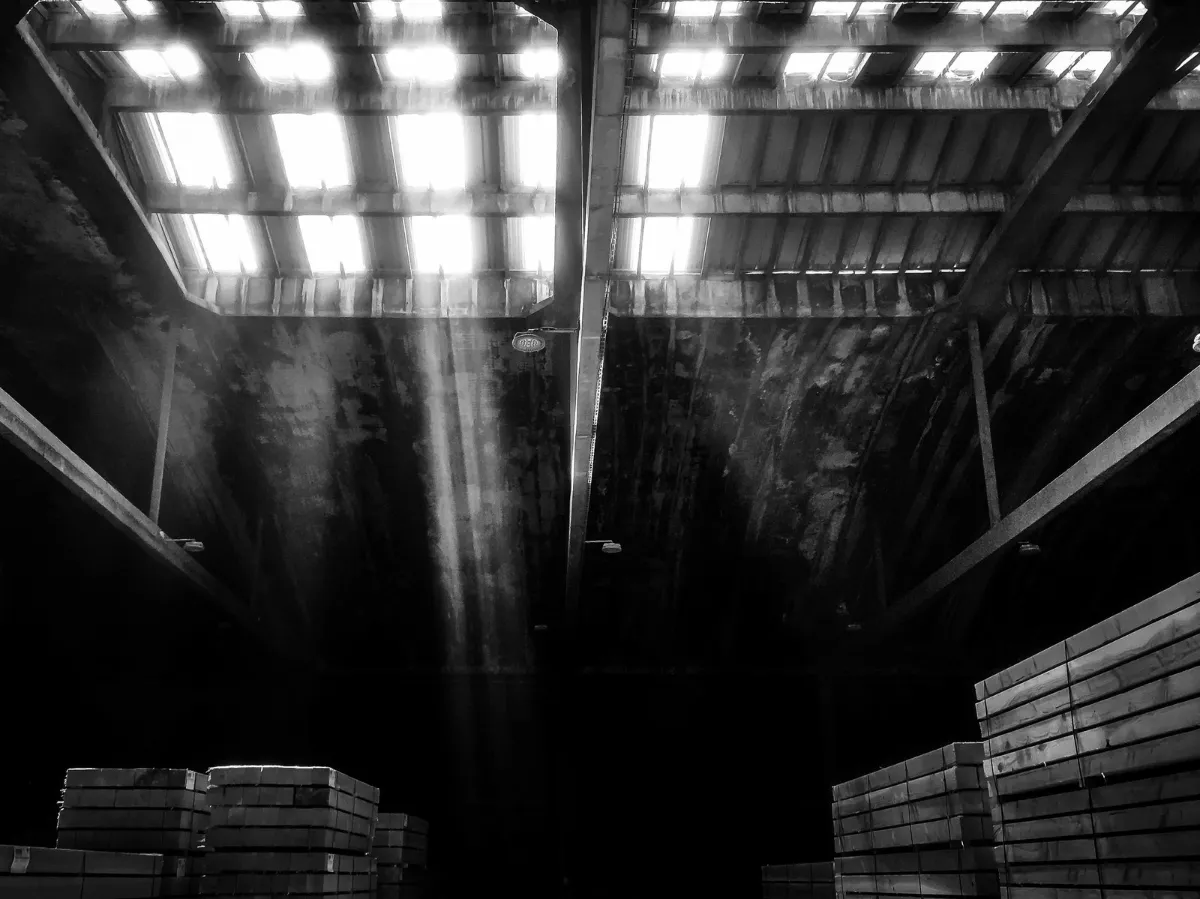
Industrial space around Prescott Valley has grown alongside the town: distribution and storage buildings, fleet and service bays for local contractors and utilities, fabrication shops and light manufacturing. Most of those buildings started with bare concrete floors, and most of those floors are now showing their age with dust, worn drive lanes, chipped joints and stains.
An industrial coating program solves those problems in one go. Dust stops, the floor becomes easier to clean, light improves and markings make traffic routes clear. This page explains how we approach industrial floors in the valley and how we keep your operation running while we work.
Dust control. Bare concrete wears under traffic, releasing fine dust onto stock and equipment. Sealing the floor stops it.
Wear resistance. High-build coatings protect drive lanes and turning areas from abrasion.
Easy cleanup. Oil, hydraulic fluid and winter road grime stay on the surface.
Better light. Light-colored floors reflect overhead light, improving visibility.
Clear organization. Striping and color zones make lanes, storage and hazards obvious.
We match the system to traffic and conditions instead of always choosing the heaviest option.
Thick, hard-wearing layers for heated warehouses and production floors.
Flexible and impact-resistant for unheated buildings, fleet bays and shops. See polyurea coatings.
For chemical exposure, heat and washdown areas.
Cost-effective dust control for lighter-use storage.
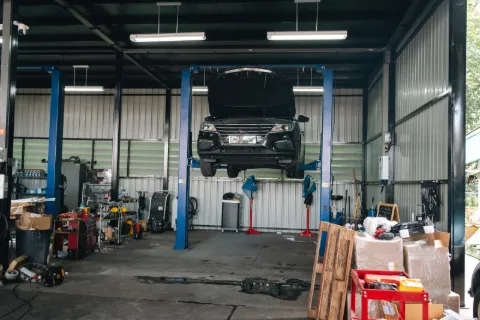
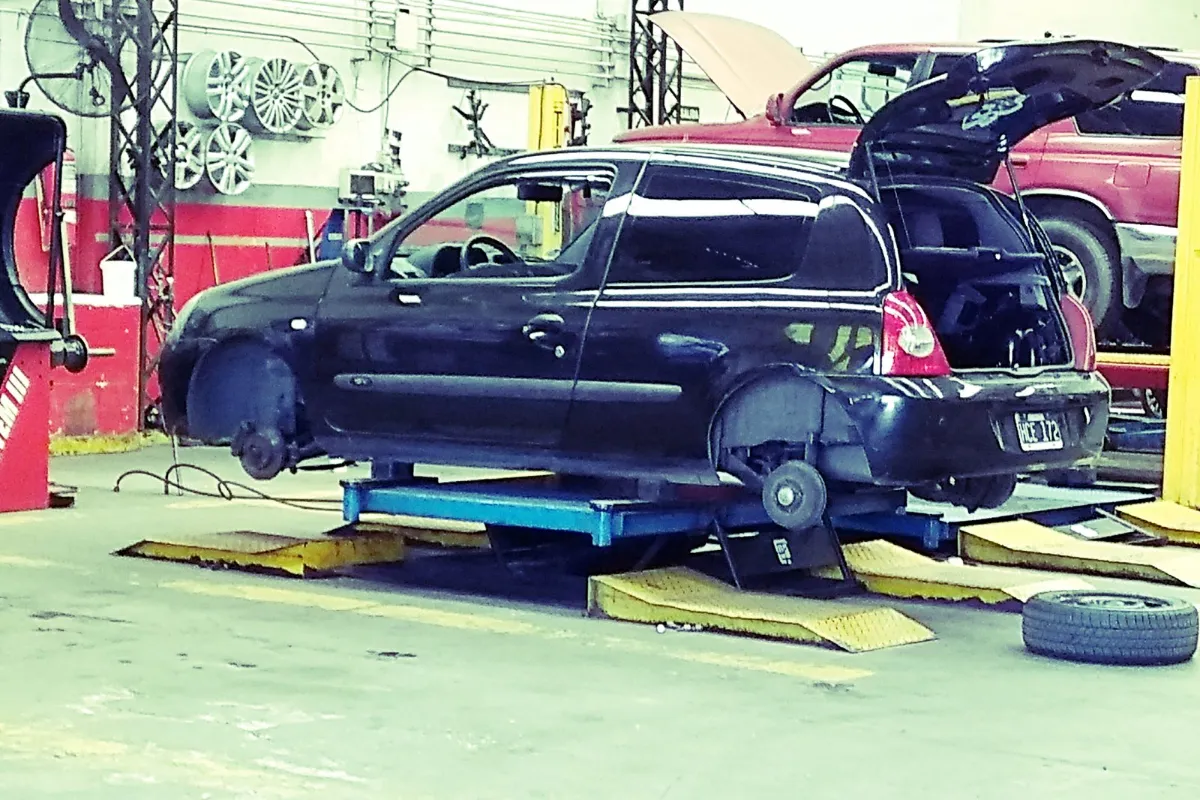
Fleet and service bays see some of the hardest use of any floor. Trucks bring in snow, slush and deicer through winter. Fluids drip, tools drop and jacks put heavy point loads on the slab. Many bays are only partly heated.
We usually recommend a flexible polyurea base with a chemical-resistant, textured topcoat for these spaces. It handles impacts and temperature swings, resists oil and deicer and keeps footing safe when the floor is wet. Drains and trench grates are detailed carefully so water does not get under the coating.
Saw-cut joints take a beating in any building with wheeled traffic. Over time, edges chip and the joint becomes a rut that jolts every load. Before coating, we clean out the old filler, rebuild damaged edges and refill with semi-rigid material made to support forklift and truck wheels. The coating then crosses a smooth, solid line rather than an open gap.
We lay out and coat:
Because the lines are part of the coating rather than paint sitting on bare concrete, they keep their color through years of tires and scrubbers.
A walk through the building with your operations lead to look at joints, traffic routes, spill areas and the calendar.
Sections are sequenced so operations continue.
Heavy grinding with dust collection, joint and crack repair.
System layers applied section by section.
Markings added, followed by a walkthrough and care guidance.
Many industrial buildings in the valley are partly heated or unheated, so slabs see freezing nights in winter and warm afternoons in summer. That affects both installation and long-term performance. We schedule winter work for heated spaces or use temporary heat, and we favor flexible systems where temperature swings are large.
Winter also brings snow and deicer in on vehicles. Coated receiving and bay areas with the right texture resist that damage and give workers better footing.
Cost follows the concrete's condition, how thick a system the traffic calls for, how many feet of joints need rebuilding, how much has to be moved around and how detailed the striping plan is. Line-item pricing lets you put the heavy build in the drive lanes and save elsewhere.
Maintenance is simple: regular sweeping or scrubbing with neutral cleaners and a yearly look at high-wear lanes. Catching thin spots early means a quick recoat instead of a repair.
Industrial floors are large and busy, and mistakes are expensive. Choose a contractor with the equipment, product knowledge and planning experience to work around your operation.
A light field color reflects the most light and makes spills easy to spot, which helps with safety and cleanup. Medium greys hide tire scuffs better between cleanings. We usually recommend one main color with a limited set of accent colors reserved for lanes and zones, so markings stay meaningful.
Plenty of the industrial buildings around Prescott Valley belong to local contractors: builders, landscapers, plumbers, electricians and HVAC companies. Their shops store trucks, trailers, mowers and materials, and see constant traffic in and out. Floors there collect mud, gravel, fuel and fertilizer, and in winter they handle snow off truck beds.
A flexible, textured system suits these buildings well. It handles heavy equipment, resists chemicals and gives crews good footing when the floor is wet. Clear parking zones and walkways help keep a busy yard organized.
Concrete dust is more than a cleaning nuisance. It settles on stock and shelving, gets drawn into motors and air filters and ends up on people's clothes and lungs. Every forklift pass over bare concrete grinds a little more of the surface loose.
Sealing or coating the floor stops that at the source. Facilities often notice the difference quickly: less dust on products, longer intervals between filter changes and a building that simply feels cleaner to work in.
Full coverage under pallet racking is not always necessary. Many facilities coat drive aisles, staging areas and docks while leaving the floor under racking sealed. If you want full coverage, we plan the racking moves with you, section by section, and keep stock accessible throughout. Either way, you will know in advance which aisles are open each day.
Self-storage and flex buildings are common around the valley's edges. For owners, the floor affects how quickly units can be turned over and how tenants judge the property. A sealed or coated floor sweeps clean in minutes between renters, does not leave tenants' belongings coated in concrete dust and makes units look brighter and better kept. Many owners choose a densifier and sealer for standard units and a full coating in vehicle bays, offices and hallways where traffic and appearance matter most.
Straight answers. If yours is missing, call (928) 555-0139.
Yes. We phase projects and schedule around shifts, weekends and planned shutdowns.
It depends on the system and temperature. Some fast-cure systems allow traffic the next day; high-build systems need longer. Your schedule spells this out.
Sometimes with temporary heat and cold-tolerant products. Otherwise we may recommend scheduling for warmer months.
Not always. Low-traffic storage may only need a densifier and sealer. Areas with forklifts, spills or markings usually benefit from a full system.
Yes, though bonded markings over a new coating last longest. We prepare existing floors properly for new striping.
Yes, by zone. Wash bays, ramps and entries get more texture; storage aisles can stay smoother for easy cleaning.
Yes. Sealing or coating the concrete stops the surface from wearing into dust, which is one of the most noticeable improvements after a project.
Yes. Drains and trenches are cleaned, detailed and sealed as part of the system so water and fluids cannot get beneath the coating.
Walk the building with us and we will come back with a written price and a zone-by-zone schedule.