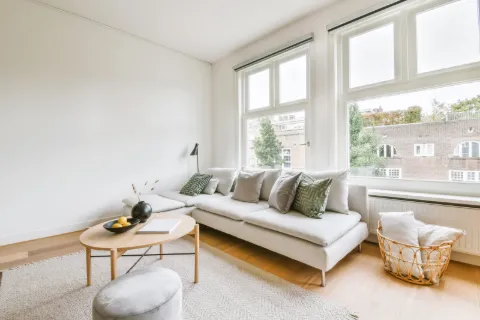
Satin solid color
A soft, low-glare sheen in warm greys, stone or sage. Calm, modern and forgiving of footprints.
A coated slab gives you a seamless, durable floor with no grout to scrub and no seams to catch. It suits busy families, pets and anyone planning to stay in their home for the long haul.
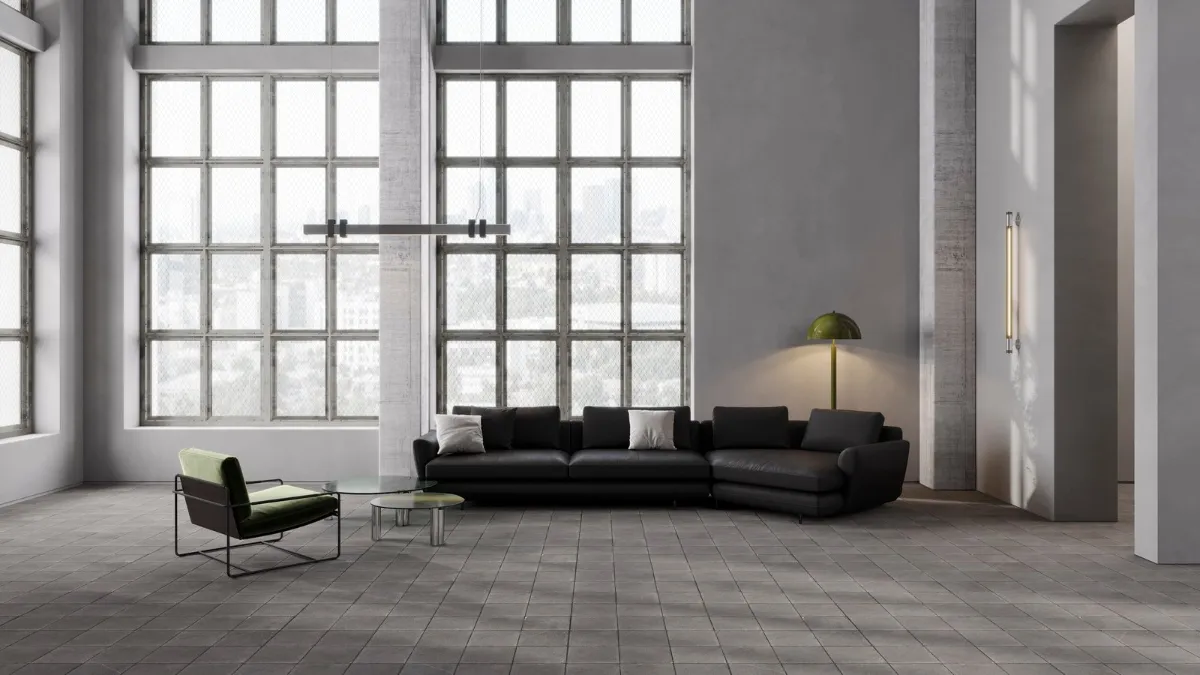
Most Prescott Valley homes are built on concrete slabs, which means the floor under your carpet or tile is already a strong, flat surface. Coating it directly gives you a floor that is tough, easy to clean and seamless from wall to wall. More homeowners are choosing it for the rooms that see the most traffic: laundry rooms, mudrooms off the garage, casitas, bonus rooms, home gyms and open living areas.
Interior floors need a different approach than garages. The finish has to look right next to your cabinets and wall colors, the sheen has to suit the room and the edges need to be clean. Moisture testing matters more indoors too. This page covers how we approach interior projects and what to consider when choosing a finish.
Many Prescott Valley homeowners are planning to stay put for a long time. That makes accessibility worth thinking about. A coated slab has no grout lines to catch a cane or walker, no carpet to make wheels drag and no loose rugs required to protect it. Transitions between rooms can be kept flush, so there are fewer lips to trip over.
Slip resistance is adjustable. A fine texture added to the topcoat gives secure footing even when the floor is wet, without making it hard to clean. Satin finishes cut glare, which is easier on the eyes than high-gloss surfaces in bright rooms.
For families with young children, the same benefits apply: easy cleanup, no grout to scrub and a surface that handles spilled juice and dropped toys.
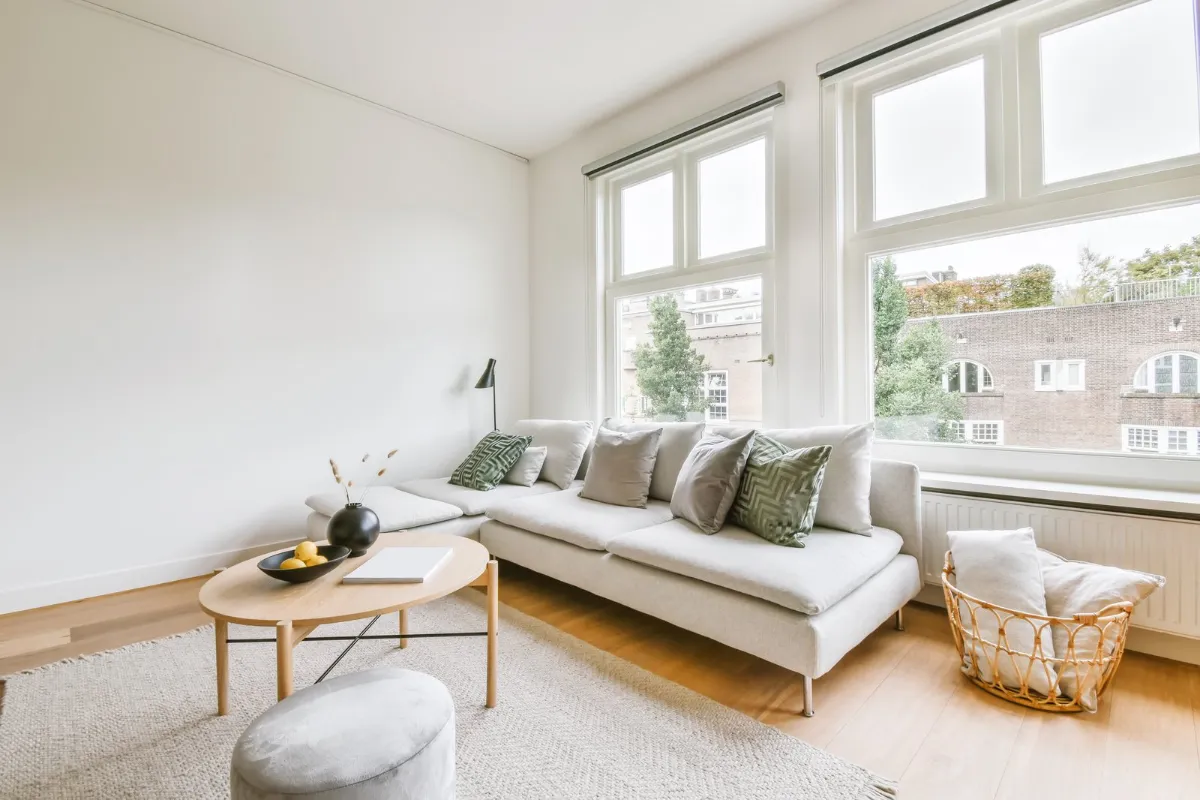
Interior coatings are often weighed against tile, carpet and luxury vinyl plank. Here is a quick comparison.
| Carpet | Tile | Vinyl plank | Coated slab | |
|---|---|---|---|---|
| Cleaning | Vacuuming, stains | Grout scrubbing | Easy | Very easy |
| Water | Absorbs | Grout weak point | Seams can lift | Sits on top |
| Transitions | Raised edges | Can be uneven | Reducer strips | Can be flush |
| Pets | Holds hair and odors | Durable | Can scratch | Durable, easy to clean |
| Allergens | Traps dust | Low | Low | Low |
Inside the home, look and comfort matter as much as durability.
A soft, low-glare sheen in warm greys, stone or sage. Calm, modern and forgiving of footprints.
A fine speckled texture that hides everyday dust. Ideal for laundry rooms and mudrooms.
Flowing, reflective pigments for a statement bonus room or living area. See metallic epoxy.
For slabs in good condition, a clear system that keeps the natural concrete look.
Moisture is the main thing that can go wrong with an interior coating. Water vapor moving up through a slab can build pressure under the coating and cause blisters or loss of bond. In the valley, irrigation near the foundation, poor drainage and some clay soils can all raise moisture levels in a slab.
Every interior estimate includes a moisture test. If readings are within limits, we proceed with the standard system. If they are high, we add a moisture-mitigating primer designed to block vapor. If we see signs of active water, such as staining along a wall, we will recommend addressing the source before coating.
A visit to see the room, take a moisture reading and lay out finish samples beside your cabinets and trim.
We protect walls and adjacent rooms, then remove carpet, tile or adhesive.
Dust-controlled grinding, then cracks and low spots are filled.
Primer, then solid color, flake or metallic layers.
A protective clear coat in your chosen sheen, with texture if needed.
Many homes in the valley were built with tile or carpet over the slab in main living areas. When those floors wear out, removing them and coating the concrete is often competitive with replacing them, with no grout to maintain afterward.
Winters here bring cold mornings, so we keep the home at a steady temperature during installation for proper curing. Spring wind brings fine dust indoors, which a seamless floor makes easy to dust-mop away.
We also pay attention to sun. Rooms with large south- or west-facing windows get strong light at this elevation, so we use UV-stable topcoats there to keep colors true.
Indoors, flaws are easy to see. Leftover thinset ridges, dust specks in the topcoat, uneven sheen or rough edges at baseboards all show in daylight. Interior work also means protecting finished surfaces, managing dust and odor in an occupied home and planning transitions so doors swing freely. We take the extra time each interior project needs.
Warm greys, soft stone and muted sage are the colors we see chosen most often in valley homes. They pair well with natural wood, white or cream cabinetry and the earthy palette many builders use. Light colors make smaller rooms feel larger; mid-tones hide everyday dust best. If you are unsure, we can tint samples to sit next to your cabinets or trim before you decide.
Dust mop regularly and damp mop with a neutral cleaner. Felt pads under furniture prevent scuffs, and a mat at exterior doors catches grit. Avoid harsh chemicals and scouring pads. After years of use, the topcoat may dull in busy paths; a light sanding and fresh topcoat brings it back.
Removal drives a lot of the cost: pulling carpet is quick, chipping up tile and grinding off thinset is not. A moisture-blocking primer, when the test calls for it, is an extra layer. Satin and micro flake sit at the lower end, metallic at the higher. A small laundry room can cost more per square foot than a big family room simply because the setup is the same.
Plenty of valley residents now work from home or have turned a spare room into a craft, sewing or hobby space. Rolling chairs wear grooves in carpet and vinyl, and paint, glue and clay are hard on most flooring. A coated slab handles all of it, cleans up easily and gives a crisp, modern look. Satin finishes reduce glare on screens, and a light color keeps a smaller room feeling open.
Straight answers. If yours is missing, call (928) 555-0139.
It feels similar to tile. Area rugs or anti-fatigue mats in standing areas, like in front of a laundry counter, add comfort.
Yes. A fine texture in the topcoat adds grip without making the floor hard to clean. Satin sheens also reduce glare.
It is technically possible, but we steer people away from it. The tile glaze gives a weak bond and the grout pattern ghosts through the coating within months. Taking the tile up costs more at first and gives a far better floor.
Expect the room to be off-limits for a few days. You can usually walk on it in socks the morning after the final coat.
We use vacuum-attached grinders, seal off the work area and choose low-odor products where possible. We will advise if you should be out for part of a day.
We can get close with standard colors and tints, and we will test samples next to your finishes.
Not on a schedule. If high-traffic paths start to dull after years of use, a fresh topcoat restores the finish.
Often, yes. The heat is turned down for installation and brought back up gradually afterward. We confirm product suitability before quoting.
We will test the slab, bring samples to see in your rooms and give you a written estimate with clear timing.