Textured exterior flake
For covered patios. Hides dust and pollen and gives grip.
Outdoor concrete in Prescott Valley sees intense summer sun, heavy monsoon rain and freezing winter nights. We choose coatings and sealers for each surface so it stays safe, clean and good-looking year-round.
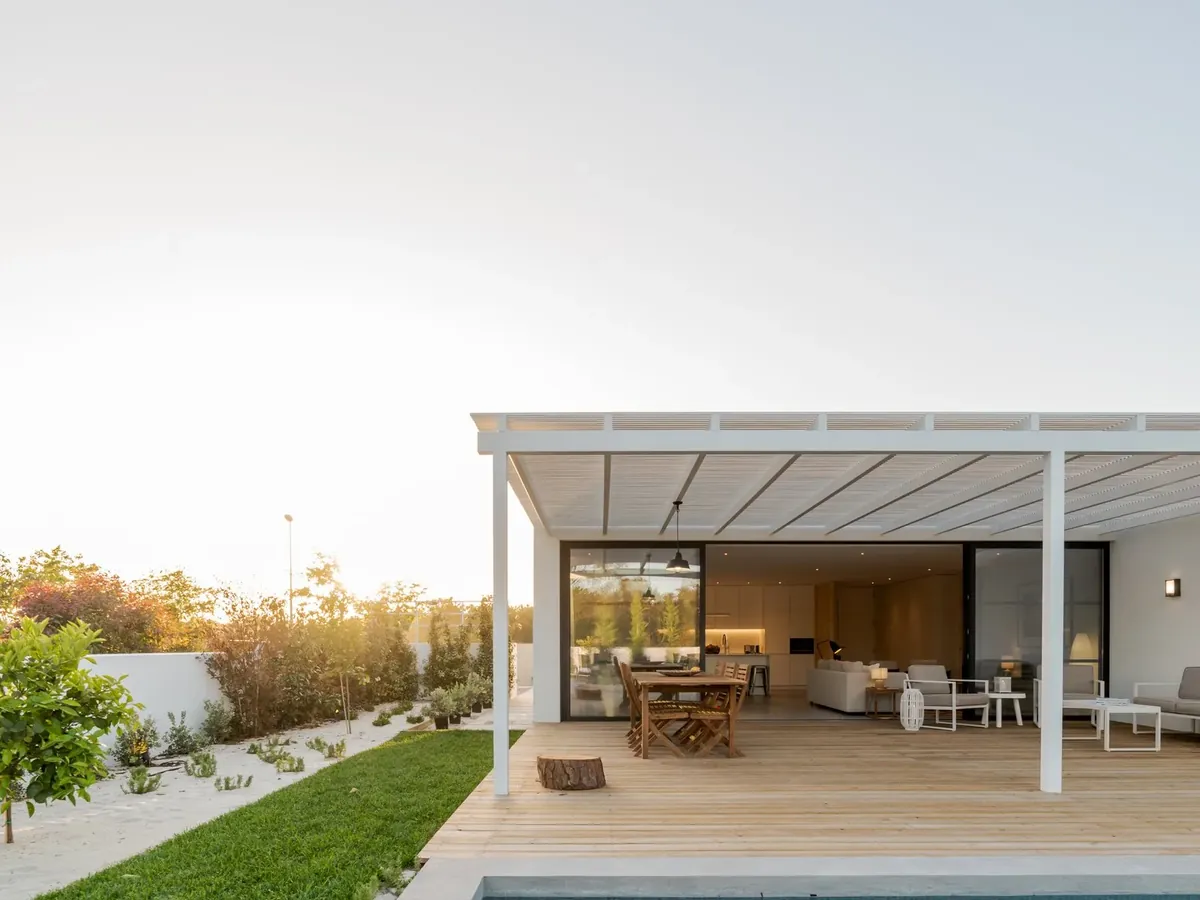
Back patios are where a lot of valley life happens from spring through fall: morning coffee, evening grilling and the occasional watch of a monsoon storm rolling in over Mingus Mountain. Front entries and walkways set the first impression of a home. Yet outdoor concrete is usually the most neglected surface on a property, slowly staining, cracking and flaking through the seasons.
Protecting it is worth doing, but outdoor work needs a different approach than garages. Full sun, water from storms and sprinklers and freeze-thaw cycles call for products designed for exterior exposure. Sometimes that means a textured coating; sometimes a breathable penetrating sealer is the better option. Here is how we decide.
Exposure is the first thing we consider. Here is our usual starting point.
| Surface | Exposure | Usual recommendation |
|---|---|---|
| Covered back patio | Roof overhead, some wind-driven rain | Textured flake or solid coating with UV-stable top |
| Open patio | Full sun, rain and frost | Textured exterior coating or penetrating sealer |
| Front entry and porch | Foot traffic, visible from street | Textured coating in HOA-approved color |
| Walkways and steps | Shoveling, deicer, weather | Penetrating sealer, plus repairs if needed |
| Spa and hot tub pads | Water, chemicals, bare feet | Textured, chemical-resistant coating or sealer |
A covered patio is the ideal outdoor candidate for a full coating system. The roof keeps most of the rain and snow off, but the floor still sees dirt, pollen, grill grease, pet traffic and wind-blown dust. A textured flake or solid coating gives it a finished, easy-to-clean surface that feels like an extension of the house.
We add slip-resistant aggregate to every patio topcoat, since patios are where people step out in socks or bare feet. And because afternoon sun often reaches under the cover at this elevation, we use UV-stable topcoats that keep their color.
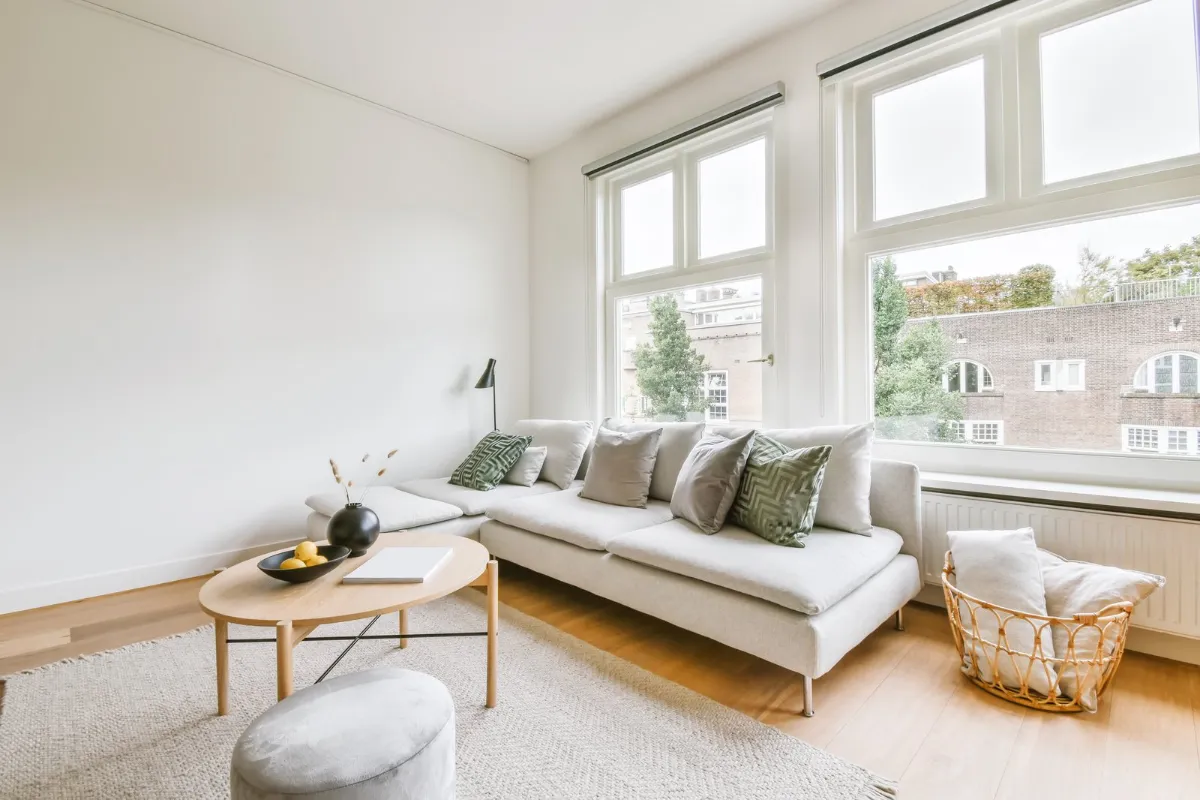
For covered patios. Hides dust and pollen and gives grip.
A clean, uniform look for entries and porches, with texture for safety.
Nearly invisible protection for open patios, walks and steps that reduces water and salt absorption.
Fixing flaked, cracked or uneven areas before coating or sealing.
Safer footing. Textured finishes and sealers that do not form a slick film keep wet steps and patios safer.
Cleaner surfaces. Grill grease, pollen, leaves and dirt wash off instead of staining.
Slower winter damage. Sealing reduces how much water and deicer soak in, which slows flaking.
Better curb appeal. A refreshed front entry and walkway make the whole home look cared for.
Longer-lasting concrete. Replacing a patio or walkway costs far more than protecting it.
Many Prescott Valley communities, including several large master-planned neighborhoods, have guidelines for exterior finishes visible from the street. Front entries, walks and driveways often require approval; back patios usually have more freedom. Check your guidelines before choosing a color. We are happy to provide product information and samples for your submission, and we tend to recommend neutral earth tones that are easy to approve.
We check cover, drainage, existing coatings, flaking and how the surface is used.
Grinding or profiling for coatings; thorough cleaning for sealers.
Cracks and flaked areas are filled with exterior-rated materials.
Coatings or sealers go down during the right temperature and dry-weather window.
We explain cure times and how to care for the surface through winter.
Exterior projects here are planned around weather. Summer mornings are best before surfaces heat up. During monsoon season, roughly July through September, we watch forecasts closely and schedule around afternoon storms. Fall is a favorite time for outdoor work, since it protects concrete right before winter.
Winter brings freeze-thaw cycles and, on some days, snow and ice. Using plastic-edged shovels and concrete-safe deicers helps protect both bare and coated surfaces.
Hot tub pads face a tough combination: constant splashing, sanitizer chemicals, bare feet and freezing nights. Water that soaks into bare concrete around a tub freezes in winter and can flake the surface within a few seasons. Covered pads take a textured, chemical-resistant coating well. Open pads are often better served by a penetrating sealer and good drainage away from the tub. Either way, slip resistance is the priority.
When an outdoor finish lets go here, the cause is usually one of a handful of things: a garage product used in open sun, a coating laid over old sealer or damp concrete, cracks left unrepaired, or an application rushed ahead of a storm. Avoiding them is mostly judgment. Sometimes that judgment says a breathable sealer is the smarter buy, or that a cracked walk should be fixed before anything is applied, and we will tell you so.
Sweep regularly, rinse occasionally and clean with a mild detergent. Use plastic-edged shovels and concrete-safe deicers in winter. Penetrating sealers typically need reapplication every few years; coated patios benefit from a maintenance topcoat after several seasons.
Sealers are the most affordable option. Coating systems cost more because of grinding, layers and texture. Repairs are priced separately so you can choose what to do now.
The front walk and entry are the first thing visitors see, and in many neighborhoods they are also what the HOA sees. Weathered, stained or flaking concrete makes an otherwise well-kept home look tired. Repairing the surface and adding a textured coating or a tinted sealer can make a dramatic difference for a modest cost.
For entries, we usually suggest neutral stone, sand or warm grey tones that complement stucco and stone veneer and are easy to get approved. Texture is a must, since the front step is where guests arrive in wet shoes or on icy mornings.
Back patios with grills and outdoor kitchens pick up grease spots, sauce drips and food stains that soak quickly into bare concrete. A sealed or coated surface keeps those stains on top, where a little dish soap and a scrub brush remove them. We choose textures that are easy to wipe yet still give grip, and we keep coatings back from very high-heat areas such as fire features, following the product guidance.
Steps and slab edges are where outdoor concrete often fails first. Freeze-thaw cycles and snow shovels chip the nosings, and water collects where a patio meets the house. Before coating or sealing, we repair chipped step edges, fill cracks and look at how water drains away from the foundation. Getting those details right protects both the finish and the house itself.
Before we arrive, move furniture, planters and grills off the surface if you can, and turn off sprinklers that reach the area for a couple of days. Let us know about any outdoor lighting, drains or pet doors near the work area. We will handle protecting walls, doors and landscaping, but a clear surface lets us start right away and finish within the weather window.
Straight answers. If yours is missing, call (928) 555-0139.
We do not recommend standard garage systems on uncovered walks. They can get slick and suffer in freeze-thaw. Walks usually do better with repairs and a penetrating sealer.
Not with the right texture. We add slip-resistant aggregate to every exterior coating.
Usually. Flaked areas can be repaired or resurfaced, then coated or sealed. Severely deteriorated concrete may need replacement.
Late spring and fall are ideal. Summer works with early starts, avoiding monsoon afternoons.
Often for anything visible from the street. Back patios usually have fewer restrictions. Check your guidelines first.
It depends on exposure and product, but many are refreshed every few years.
Usually we can coat or seal around a tub that cannot be moved, finishing neatly to its base. If the tub can be shifted temporarily, full coverage underneath is possible.
We will look at your outdoor concrete, recommend a coating or sealer for each surface and give you a clear written estimate.