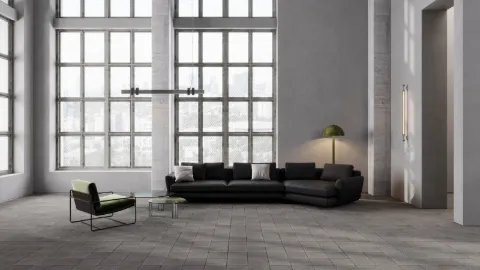
Pewter
Soft grey with silver movement. Modern and calm, and easy to pair with wood and white cabinetry.
Metallic epoxy turns a concrete slab into a floor with depth and movement. Pigments are swirled by hand and settle as the resin cures, so the finished floor is completely your own.
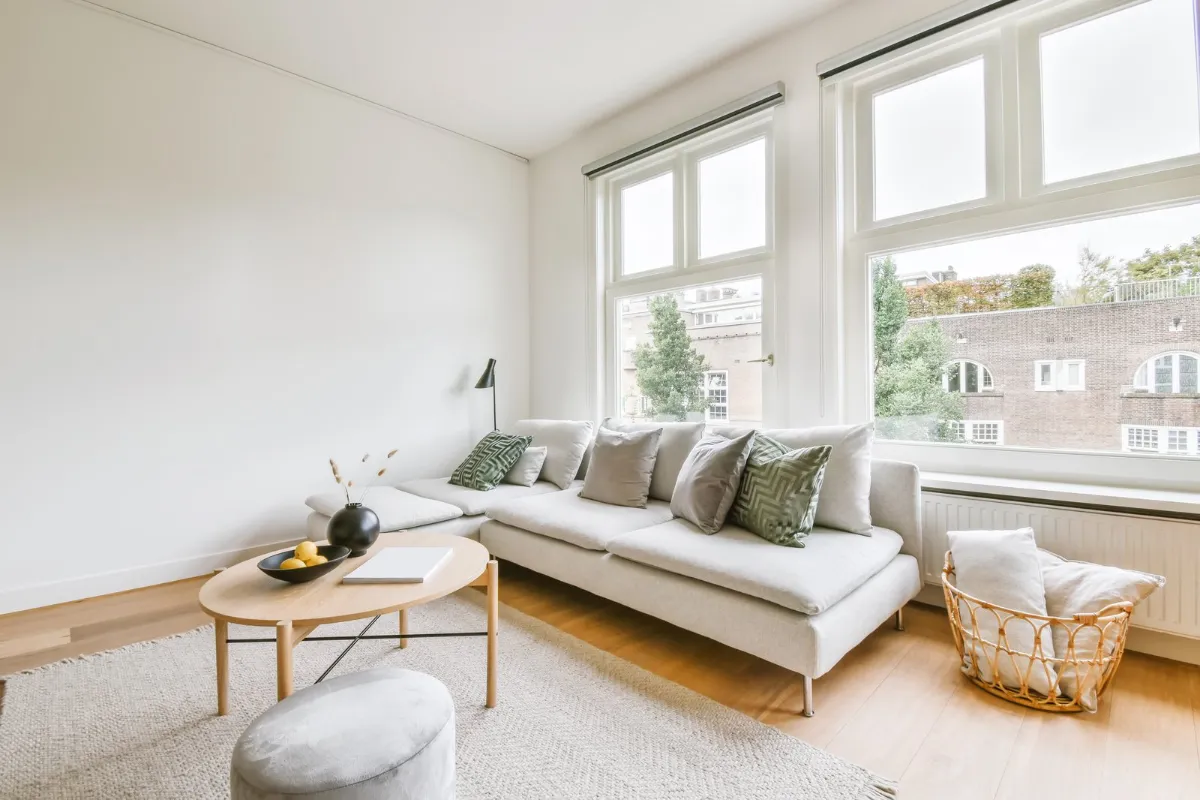
If flake floors are the practical workhorse of the coating world, metallic floors are the showpiece. Instead of a flat color or speckled chips, you get a surface that looks layered and alive, with swirls and veins of reflective pigment that seem to shift as light moves across the room.
In Prescott Valley homes, we see metallic floors chosen most often for bonus rooms, game rooms, finished living areas and home offices. Businesses use them for showrooms, salons and lobbies where first impressions matter. This page explains how they are made, what palettes work well, and what to know before you choose one.
Metallic pigments are fine mica particles coated with metal oxides. Mixed into clear epoxy, they float and catch the light. Once the resin is poured, the installer moves the pigments with rollers, trowels and brushes to create patterns, from soft clouds to sharp veins to sweeping currents.
The floor keeps evolving for a short time after that. As the resin self-levels, the pigments drift slightly before the floor sets. That final movement is what gives metallic floors their natural, three-dimensional look, and it is why no two are ever identical.
A tinted base coat underneath sets the background tone. A darker base makes silver and pearl stand out; a warmer base deepens bronze and copper.
Any color combination is possible. These four palettes come up most often here.
Soft grey with silver movement. Modern and calm, and easy to pair with wood and white cabinetry.
Warm brown and gold tones that suit craftsman and ranch-style interiors.
Light, airy whites with subtle shimmer. Brightens rooms with smaller windows.
Deep charcoal with pale veining. Dramatic in game rooms and showrooms.
Design meeting. We look at examples you like, talk through palette and movement and bring sample boards so you can see real results.
Slab preparation. The concrete is ground flat and any low spots are filled. Metallic resin shows every dip, so this step matters.
Primer and base coat. These seal the slab and set the background color.
Metallic pour. The pigmented layer is poured and worked across the whole room in one continuous session. This is where the pattern is created.
Topcoat. A clear layer in gloss or satin adds protection, and UV stability in rooms with strong sunlight.
Metallic floors are stunning, but they are not for every room. Here is an honest look.
| Strengths | Things to plan for | |
|---|---|---|
| Look | Unique, high-end, real depth | Cannot be matched exactly to a sample |
| Cleaning | Seamless and simple | Gloss shows dust and footprints sooner |
| Durability | Tough resin with topcoat | Grit can dull gloss over time |
| Sunlight | Beautiful in natural light | UV-stable topcoat needed near windows |
| Repairs | Topcoat can be renewed | Pattern repairs are hard to blend |
For a working garage or a busy mudroom, a flake floor is usually a better fit. For a room where the floor is meant to be noticed, metallic is hard to beat.
Temperature has a real effect on metallic epoxy. In cool rooms, resin thickens and pigments move more slowly; in warm rooms, the working window shrinks. Prescott Valley homes swing through both, so we keep the room at a steady temperature during the pour and cure, using the home's heating or cooling as needed.
Sunlight is the other factor. At this elevation, UV through large windows is strong. We use UV-stable topcoats in sunny rooms so the colors stay true for years.
Metallic epoxy is the least forgiving coating we install. The whole floor has to be poured and worked in one session, mixing must be exact and technique takes practice. Roller marks, seams between batches and dust in the surface are permanent. Always ask to see sample boards and examples of finished floors before choosing an installer.
Dust mop often and damp mop with a neutral cleaner. Use felt pads on furniture legs and mats at doors to catch grit. Wipe up spills promptly and avoid harsh chemicals or abrasive pads. After years of use, the topcoat can be lightly sanded and recoated to restore its depth without touching the metallic layer.
Expect metallic to sit at the top of the price range. It uses extra layers and more resin, and the decorative coat needs an experienced crew working without a break. Room size, flattening work, how many pigments are involved and the choice of clear coat all move the number, so each room is priced after a visit.
Choose metallic if you want the floor to be a design feature, you are comfortable with a one-of-a-kind result and the room is protected from heavy grit and tools. If you want a floor that hides everything and never needs much thought, flake or satin solid finishes are the better choice, and we will tell you so.
Many Prescott Valley homes lean toward modern farmhouse, craftsman or transitional styles, with warm wood, white or cream cabinetry and black or bronze hardware. Metallic floors can sit comfortably in those spaces. Pewter and soft pearl palettes complement white and grey kitchens. Bronze and copper tones echo wood beams and oil-rubbed hardware. Slate works well in game rooms and bars with darker cabinetry.
If you are planning paint or cabinet changes, tell us. Choosing the floor palette alongside them makes the whole room feel deliberate.
A metallic floor looks best when it is visible, so think about where rugs and large furniture will go before choosing a pattern. Sweeping, directional movement works well in long rooms and hallways; softer, cloud-like movement suits rooms where furniture covers much of the floor. Felt pads under chair and table legs, and a mat at each exterior door, will keep the gloss looking fresh much longer.
Metallic floors need a clean, calm room during the pour. Furniture is moved out, HVAC vents near the floor may be covered to keep dust and drafts away, and the room is kept at a steady temperature from the day before installation until the floor has set. We will walk you through what to expect so the household can plan around a few days without the room.
Straight answers. If yours is missing, call (928) 555-0139.
We can get the colors and the overall feel very close, and you will see sample boards before anything is decided. The exact swirls, though, are created fresh in every room and cannot be duplicated.
The pigment layer sits safely under a clear coat, so what you see wearing is that top layer. Fine scuffs show sooner on gloss than on satin; door mats and felt furniture pads prevent most of them.
It can, if the garage is mostly for parking a car you care about. For a garage full of tools, bikes and projects, we would point you to flake.
Most rooms take the better part of a week from first grind to putting the sofa back.
Gloss metallic is smooth. We can add a satin topcoat with a fine texture where slips are a concern.
Absolutely. Showrooms, salons and offices often choose metallic with a tougher commercial topcoat. See commercial flooring.
Often, with the heat turned down during installation and brought back gradually. We confirm product suitability first.
Not if the palette and movement are chosen well. Softer, lower-contrast patterns suit smaller rooms, while bolder movement works in larger spaces.
Yes. Bring a cabinet door or sample and we will choose pigments and a base tone that complement it.
We will bring sample boards, talk through palettes, check the slab and provide a written estimate with realistic expectations.